Harlem Renaissance in Miami
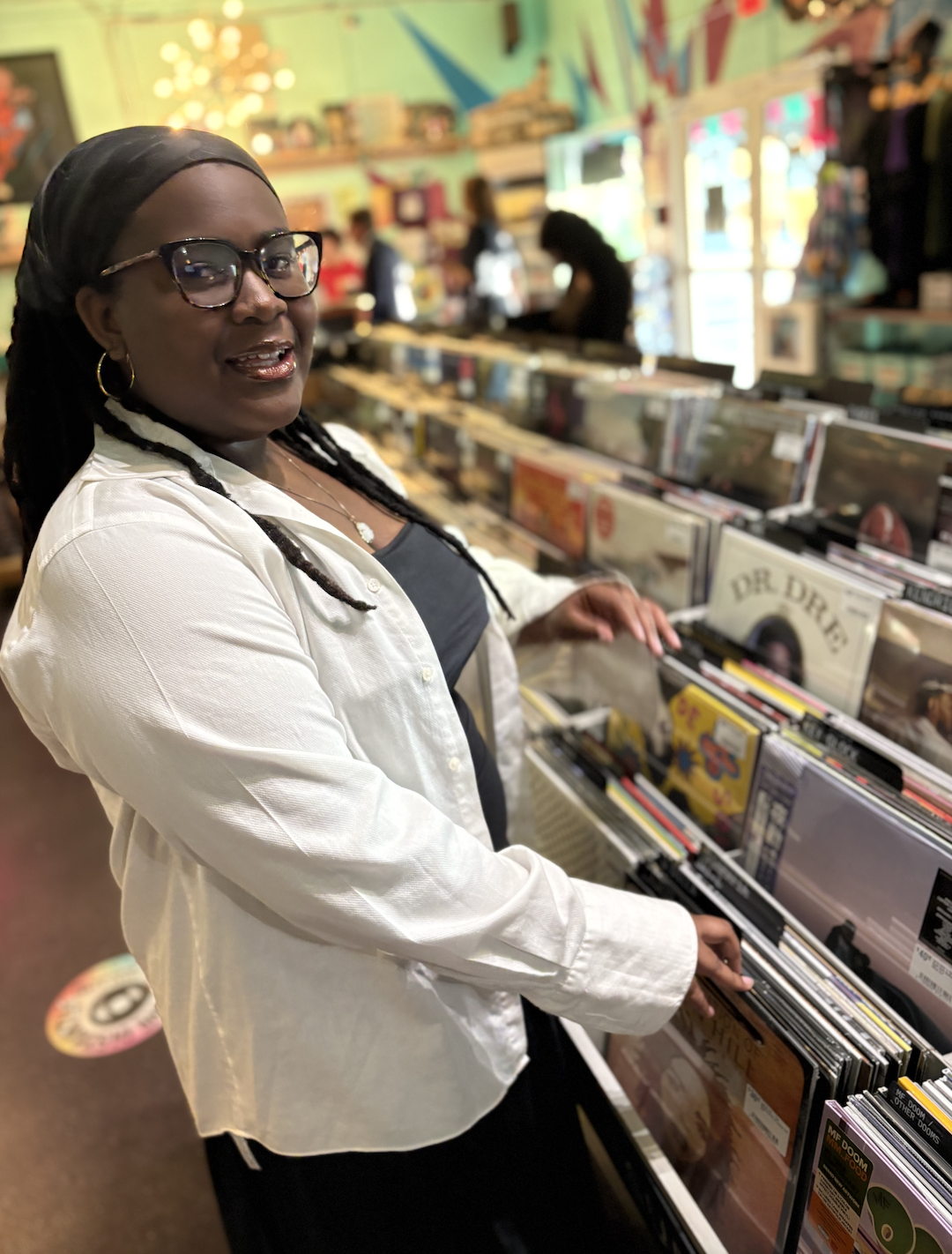
In honor of the centennial of the Harlem Renaissance, Black Miami-Dade collaborated with Sweat Records to transform the Little Haiti vinyl record store into a community classroom. The three-part series spotlighted Josephine Baker, musical siblings Cab and Blanche Calloway and Miami-born drummer Panama Francis.
We invited participants to collectively learn and explore the connections between the Harlem Renaissance and Miami’s historic stages that welcomed Black entertainers.
Teach-In Focus Areas
Situates Miami within the broader context of the Harlem Renaissance, highlighting cultural, political, and artistic exchanges between New York and Miami.
Engages participants in collective learning, blending archival materials, lived histories, and community memory.
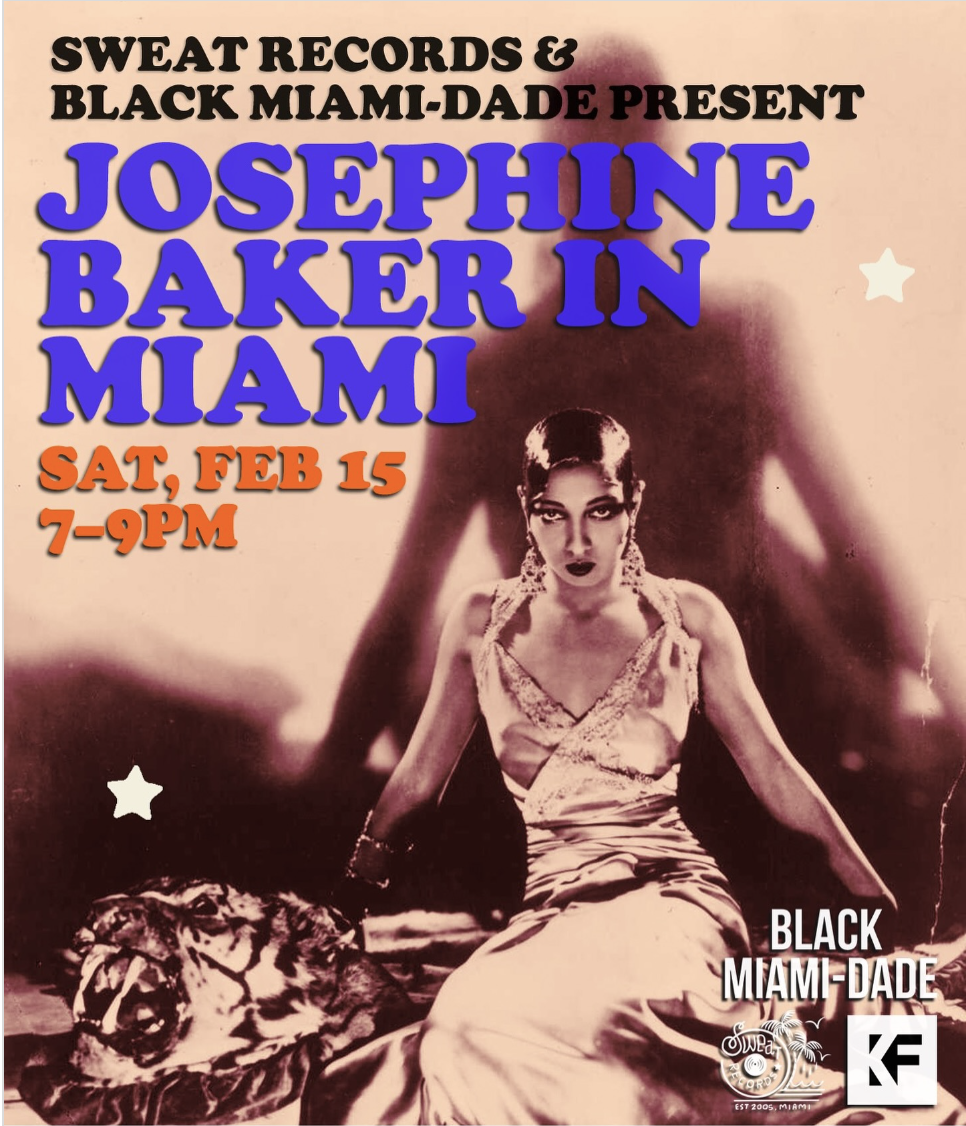
Josephine Baker
The first class in the series centered on Josephine Baker, whose global fame as a dancer, singer, and activist is often recalled, but whose role in Miami’s history is less well known. In 1951, Baker refused to perform on segregated Miami Beach unless Black audiences were admitted. Her insistence and eventual performance challenged Jim Crow laws and opened the door to the desegregation of Miami Beach entertainment venues.
The class opened with a short video essay by Dr. Terri Francis, author of Josephine Baker’s Cinematic Prism, placing Baker’s actions in Miami in dialogue with her wider legacy of using performance as a political tool and a mode of resistance.
While Baker insisted that Miami Beach open its doors to Black audiences, she also made sure to spend her time in Black Miami—specifically in Overtown and Liberty City—rather than remaining solely on the beach. In her movement across Miami, she rejected the “exceptions” that granted her conditional access to white spaces. Baker affirmed her solidarity with the very communities Jim Crow sought to exclude, and it positioned her presence in Miami as not only a performance.
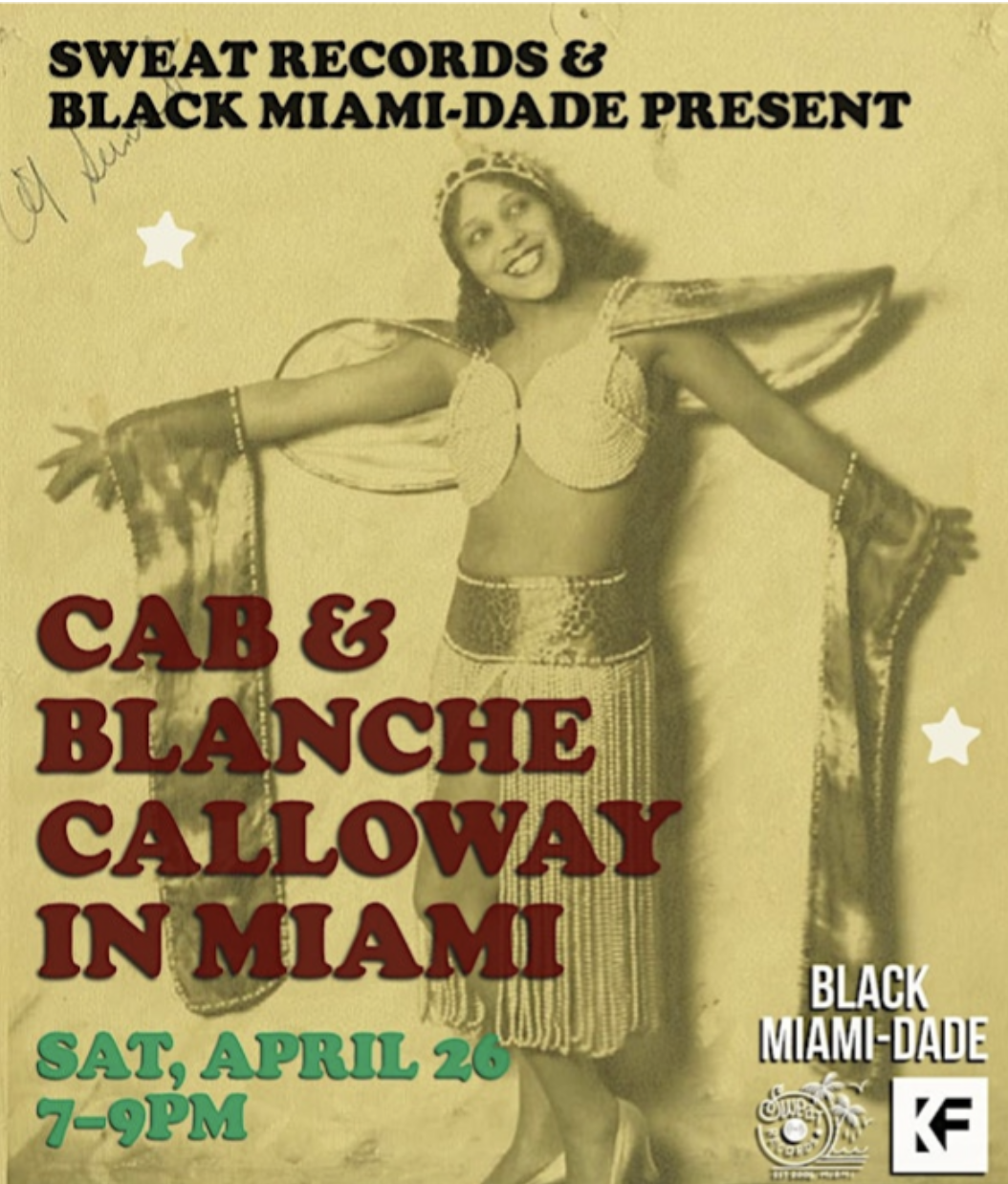
Cab and Blanche Calloway
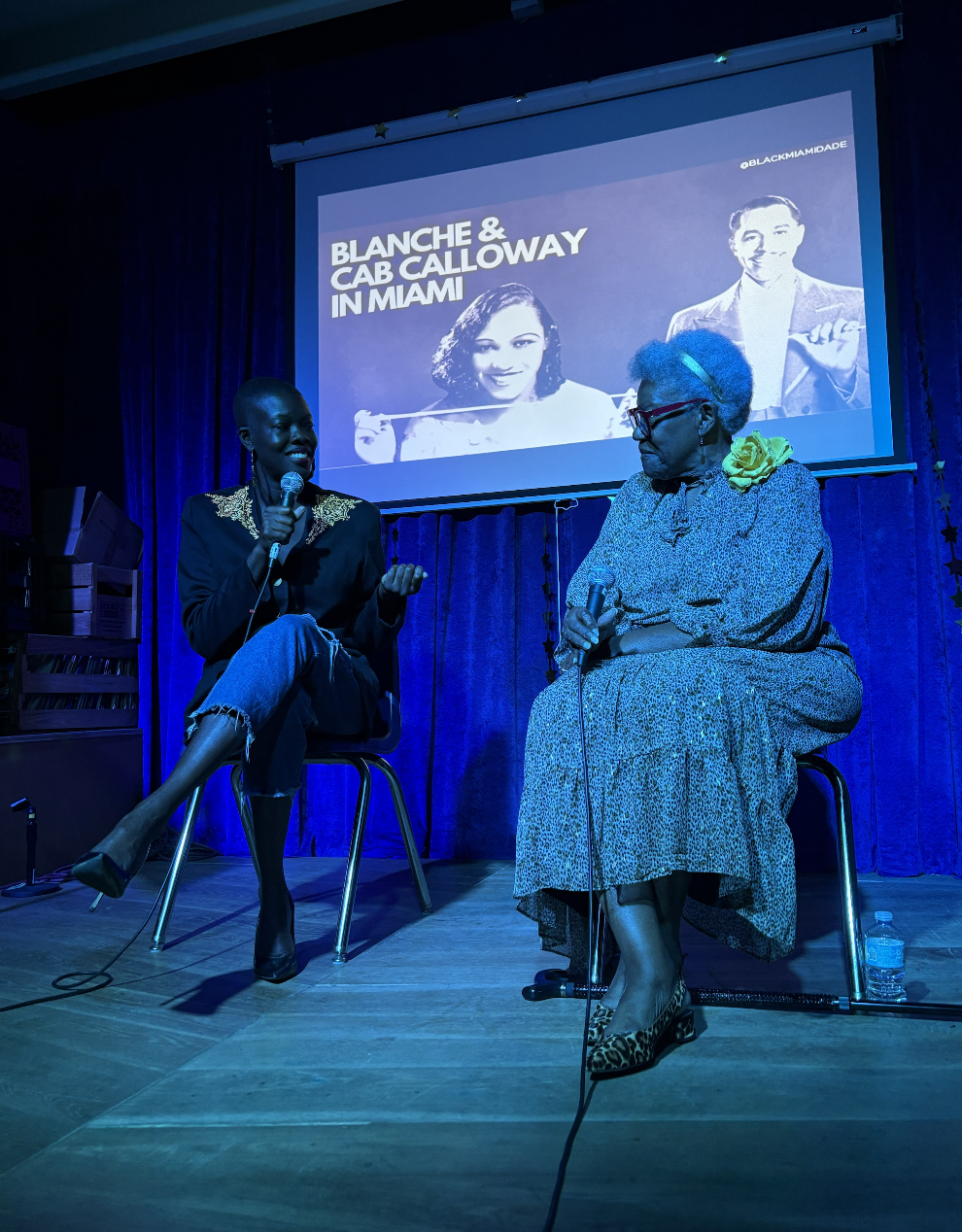
The second class focused on the musical sibling duo Cab and Blanche Calloway. Cab Calloway, celebrated nationally as the “King of Hi-De-Ho,” brought his signature big band sound to stages that helped shape the musical landscape of both Miami Beach and Overtown. His sister, Blanche Calloway, was equally groundbreaking. A pioneering bandleader in her own right, she would later call Miami home. She became the first Black woman to vote in Miami-Dade County and the county’s first Black woman disc jockey. Her influence in Miami extended well beyond the stage; she was a community organizer and businesswoman.
This teach-In featured Miami journalist Bea Hines, who personally knew Blanche Calloway.
Panama Francis
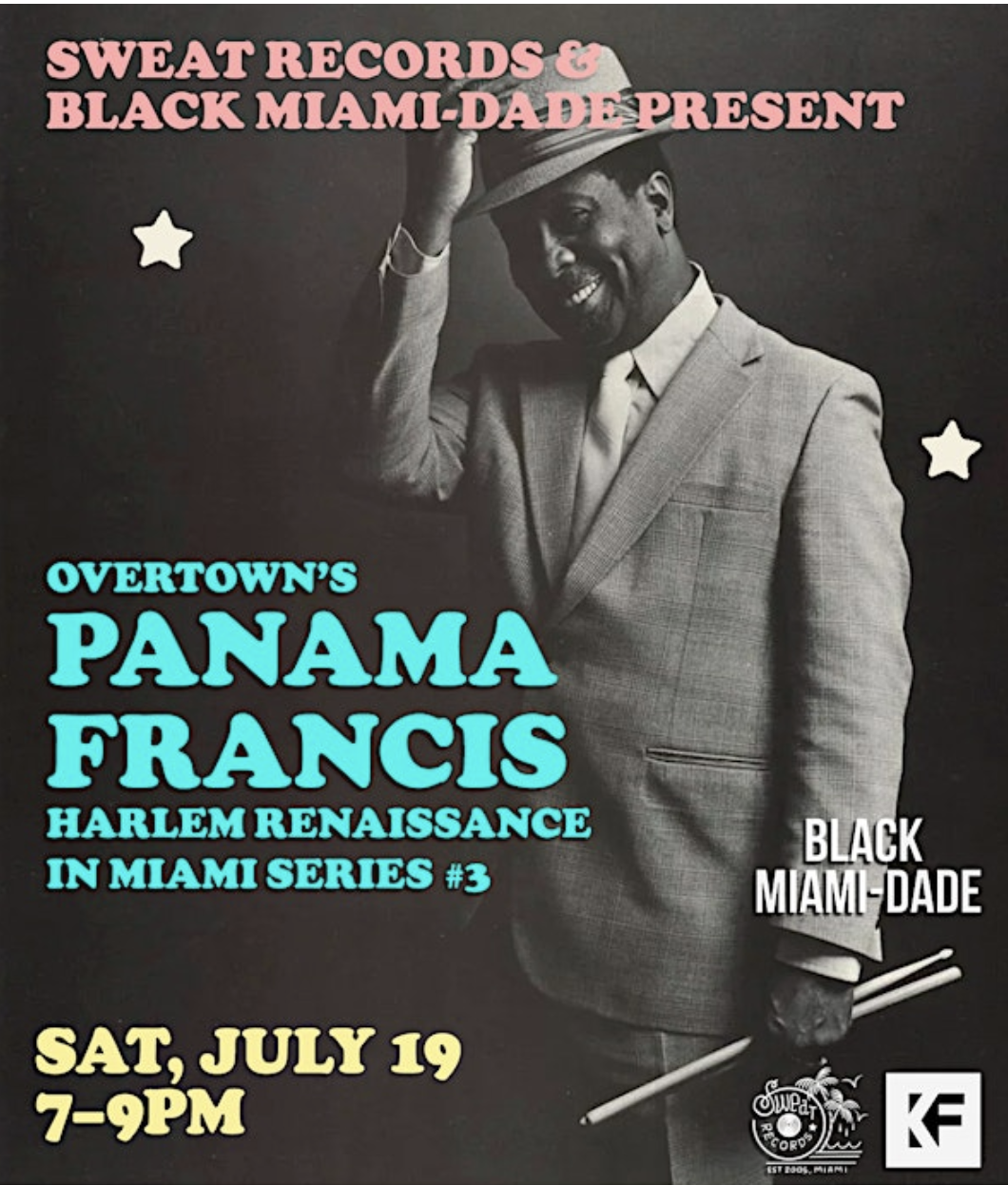
The final session centered the life and legacy of Miami-born drummer David “Panama” Francis, whose career forms a direct and understudied bridge between Miami and the Harlem Renaissance. Born in 1918 to Bahamian and Haitian parents, Francis came of age in Miami’s “Colored Town,” where the steady flow of traveling musicians created a soundscape of gospel, blues, and jazz. These early exposures shaped his musical sensibilities and positioned him within a broader diasporic network of Black performance culture in the South.
Francis’ trajectory carried him north to Harlem’s Savoy Ballroom, where he became a highly sought-after drummer, performing with Cab Calloway, Duke Ellington, and later Ray Charles, Dinah Washington, Ella Fitzgerald. His career demonstrates that Miami was not merely a stop for visiting musicians, but also served as an incubator of artistry that nurtured and produced homegrown talent .
In this teach-in, Francis’ contributions were animated through a live performance featuring King Friday on keys and Donald Thomas on drums, offering a sonic re-engagement with Francis’ era.
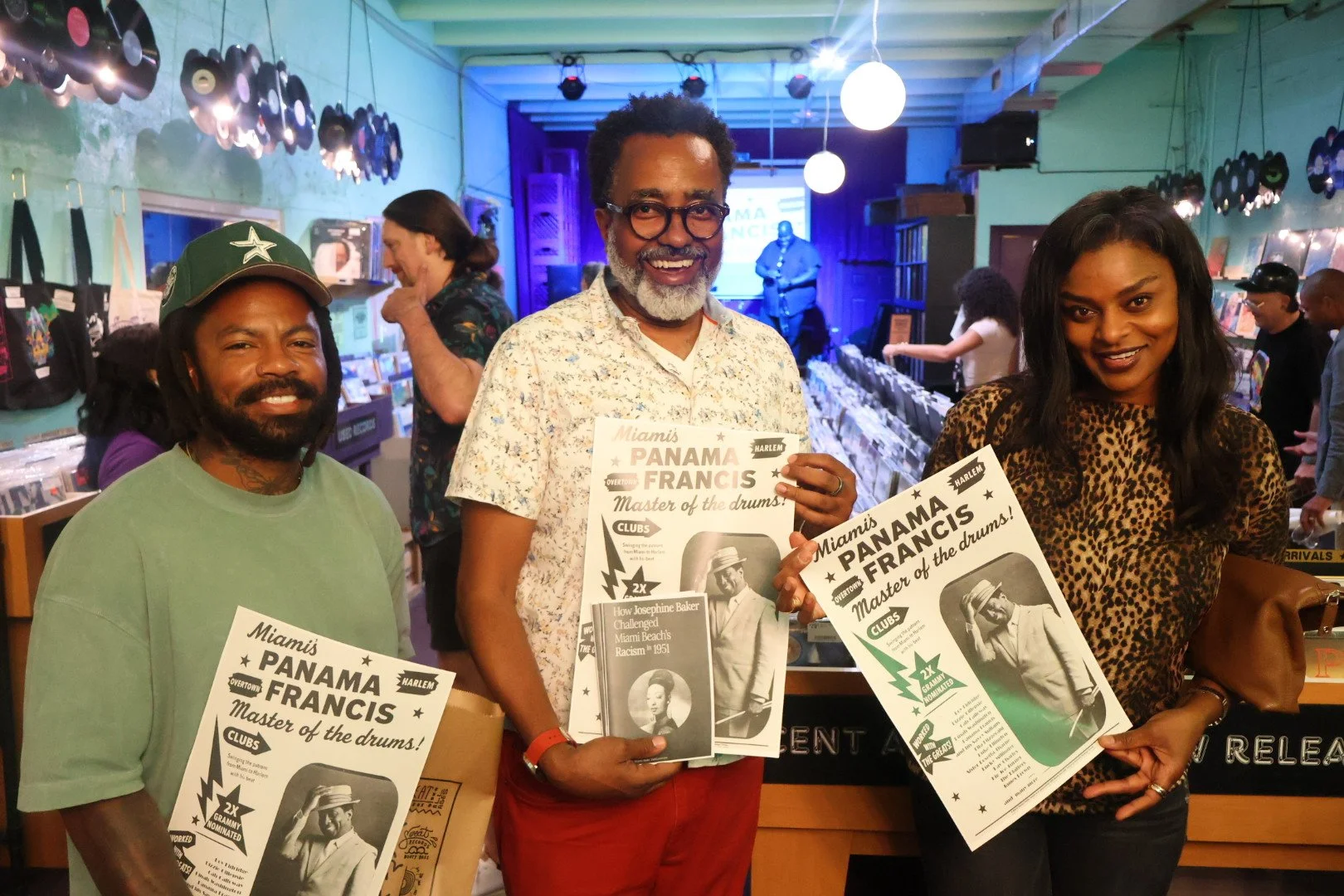
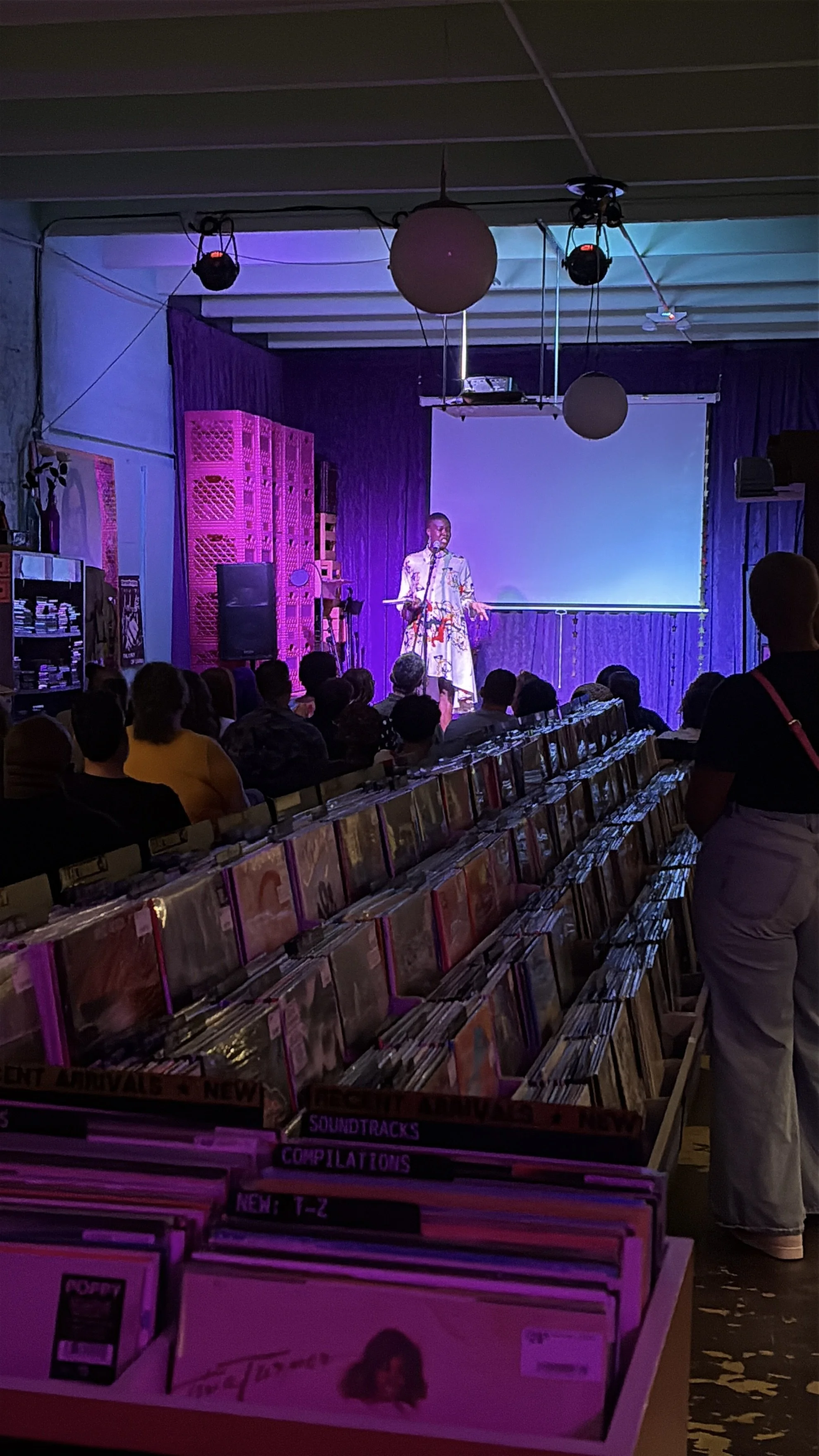
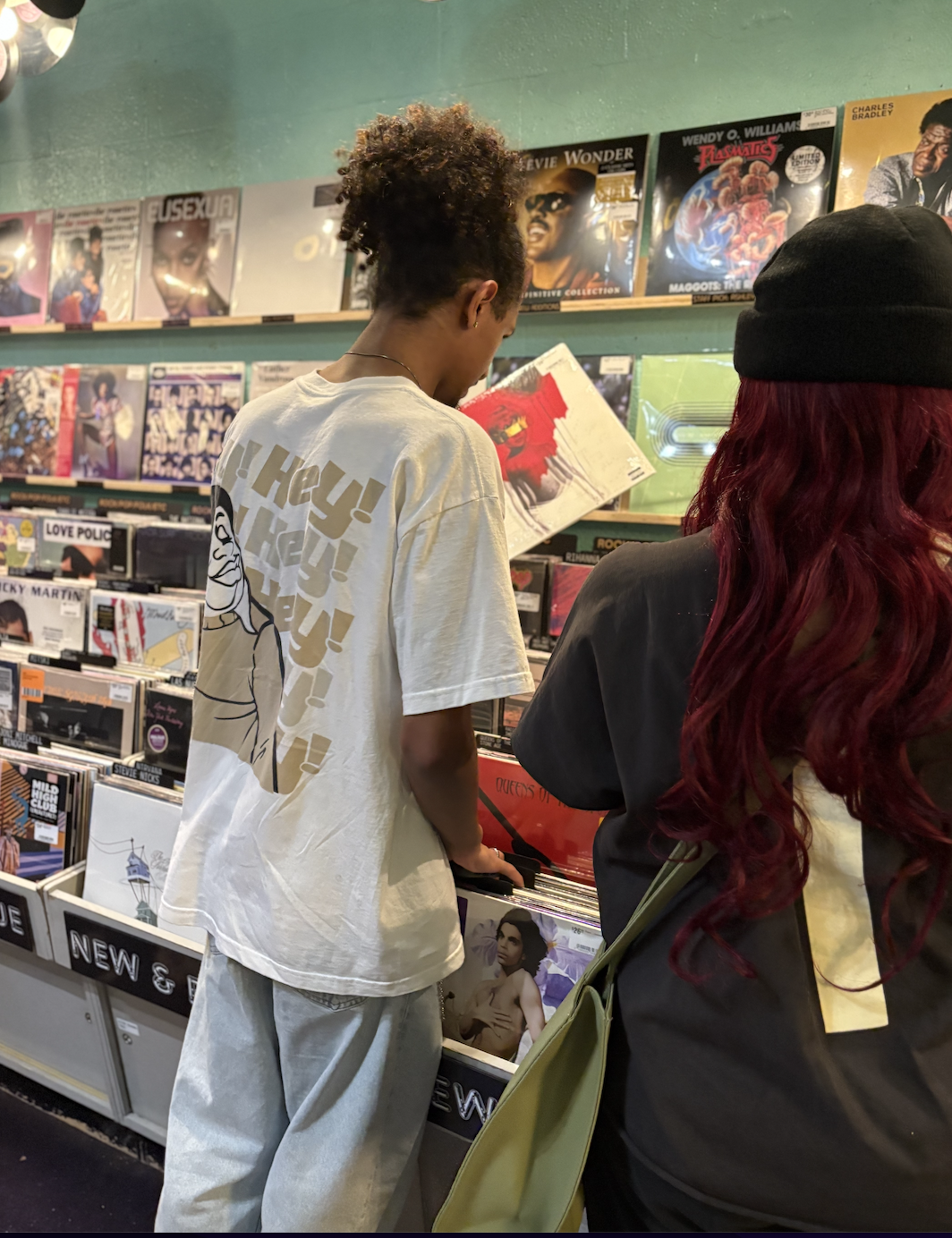
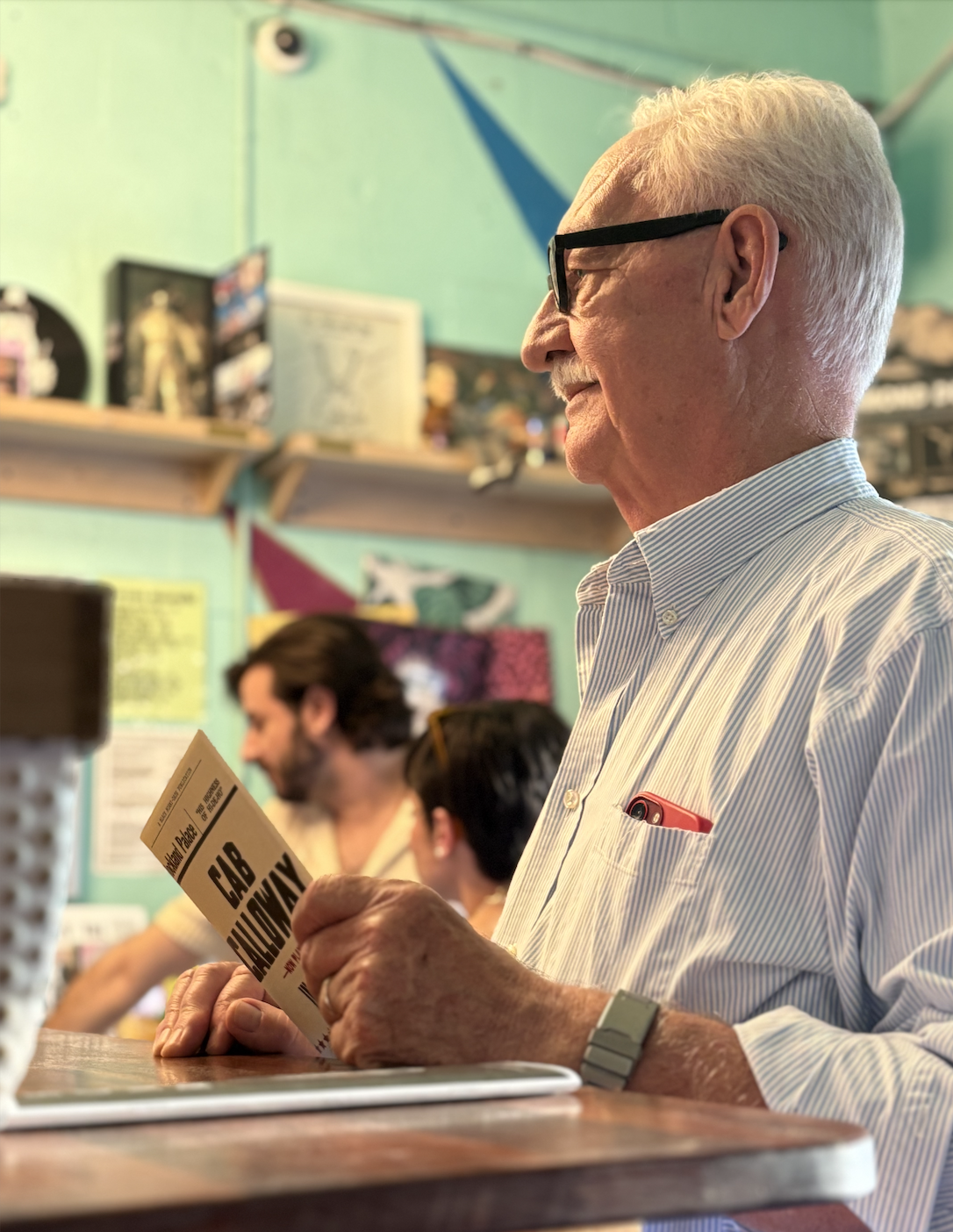
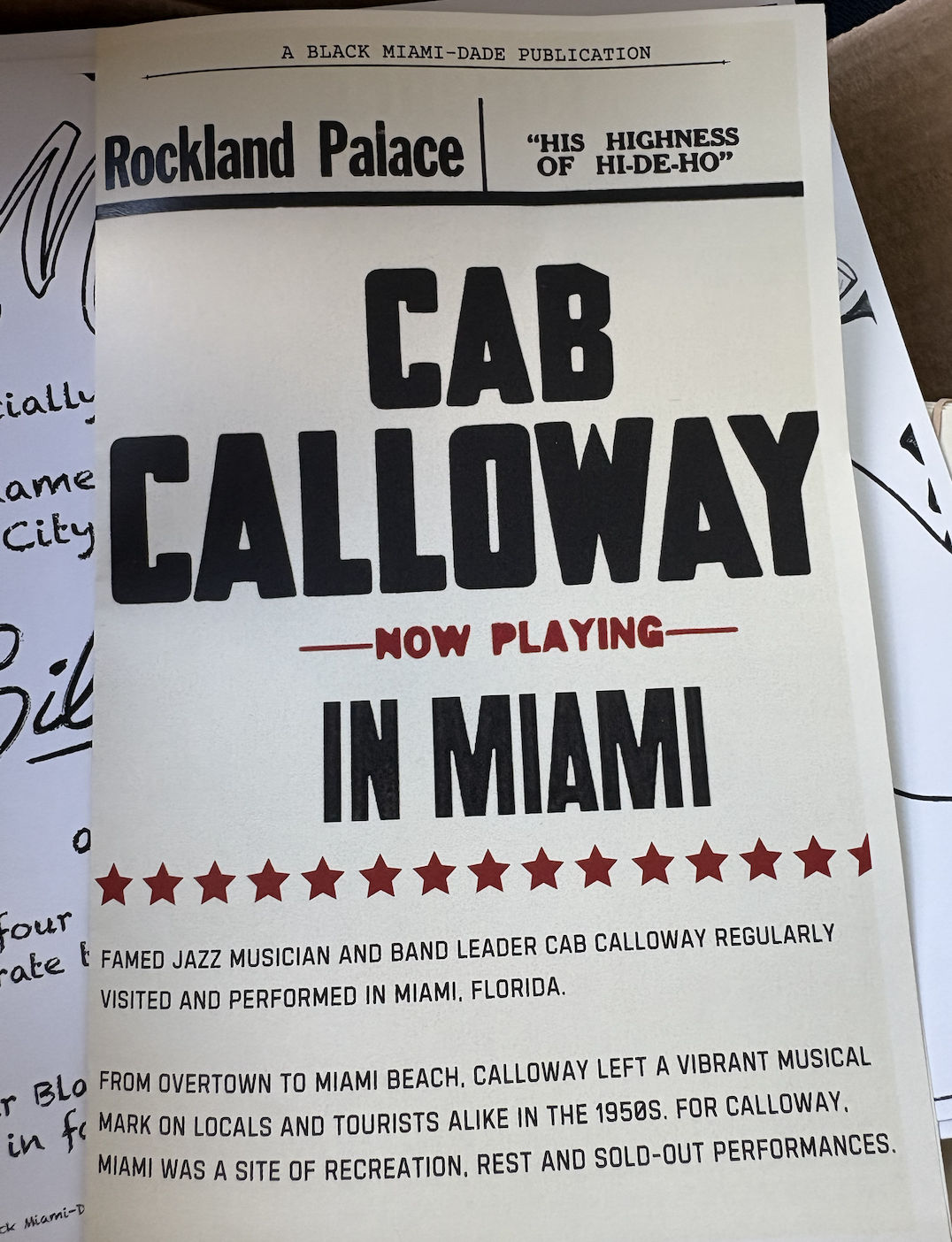
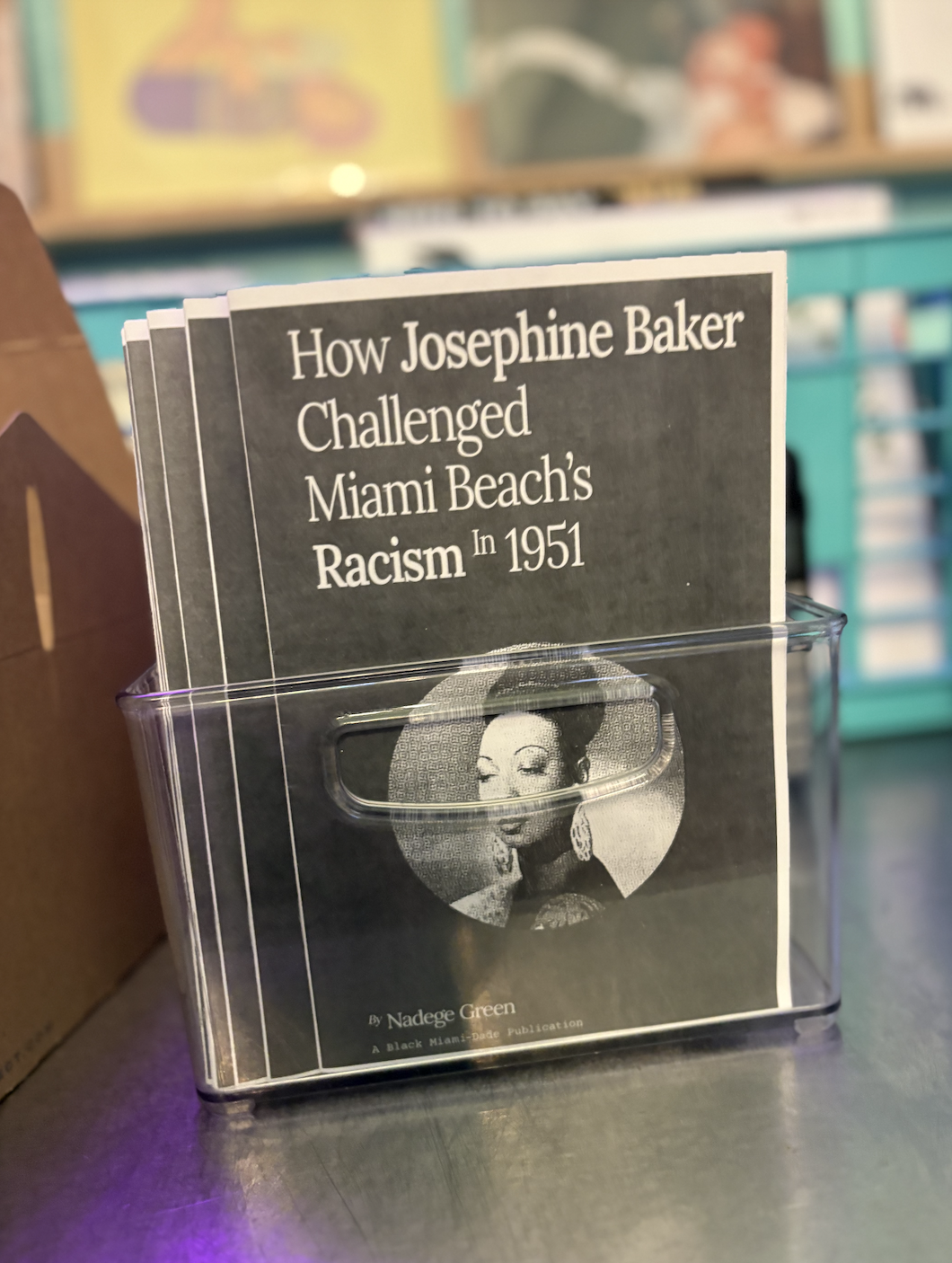
Each class included an ephemeral keepsake—a zine, a collectible timeline, or a poster—created as a material extension of the learning experience.
This public history series was made possible with support from the Knight Foundation.